When Epoxy Barrier Coatings Are The Right Choice For Aging Pipe Systems
When older plumbing starts clogging, leaking, or smelling, many Greenwood homeowners wonder if there is a reliable fix that does not tear up floors or yards. That is where an epoxy barrier coating can make the difference, sealing the inside of aging drain and sewer lines so they flow like they should again.
In this guide, we will walk through when epoxy coating is a smart option, when it is not, how the process works, and what to expect in local conditions. You will get a clear sense of whether your home’s pipes are likely a fit and what happens next with a trained team in Greenwood, SC.
What Epoxy Barrier Coatings Do Inside Your Pipes
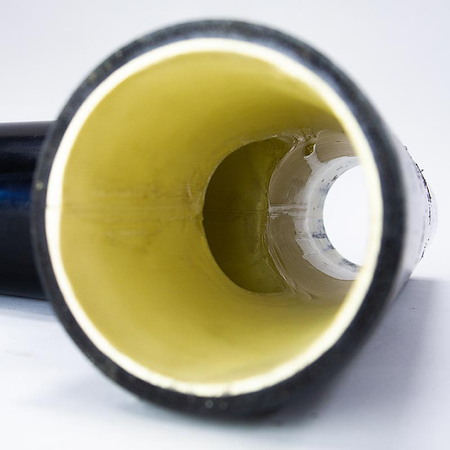
An epoxy barrier coating is a liquid resin that is applied inside existing pipes. Once cured, it forms a smooth, protective liner that covers corrosion, minor pitting, and small joint gaps so wastewater can pass without catching on rough spots.
The result is a slick, uniform surface that resists future buildup. On cast iron, it shields the iron from further oxidation. On some clay or concrete sections, it helps span tiny gaps at joints. On certain metal supply or drain lines with light surface wear, it can reduce weeping. Always start with a camera inspection to confirm the pipe is stable enough to line.
Where Epoxy Barrier Coatings Work Best In Greenwood Homes
Greenwood and nearby areas like Ninety Six, Hodges, and Ware Shoals have many homes built between the 1960s and 1990s. Those properties often rely on cast iron for interior drains and clay or concrete for laterals. In these setups, epoxy is often a strong candidate when the pipe is still structurally sound.
- Interior cast iron drains with scaling, tuberculation, or light-to-moderate pitting
- Short transitions where different pipe materials meet and create small seepage points
- Sections under finished floors or concrete slabs, where access is very limited
- Laterals with minor joint infiltration but no major displacement or collapse
We also see value after roots have been cut out of clay lines near Lake Greenwood or Coronaca. Once roots are removed and the line is cleaned, coating may help resist intrusions by sealing entry points. The key is a stable host pipe and thorough prep.
When Another Repair Method May Be Better
Epoxy coatings are not a cure-all. If a pipe has significant deformation, big offsets at joints, or sections that hold standing water, other methods are often recommended first to restore proper grade and shape.
- Pipes with major bellies or sags that trap water
- Large cracks, ovalized sections, or missing pipe walls
- Severe root intrusion that continues after mechanical removal
- Old laterals with widespread collapse or heavy soil movement
If a pipe has collapsed, coating is not a fix because there is no stable host for the epoxy to bond to. In those situations, full replacement or structural lining options may be discussed after a professional evaluation.
How The Epoxy Coating Process Works
The best results come from a methodical, camera-guided approach that cleans, coats, and quality-checks every inch of the section being treated.
- Step 1: Camera Evaluation. A video inspection maps the entire run, flags offsets, checks diameters, and measures distances. The technician confirms that the host pipe is stable for coating.
- Step 2: Mechanical Cleaning. Scale, rust, grease, and remaining roots are removed using specialty tools and high-pressure water so the surface is ready to bond. A clean surface is essential for a lasting liner.
- Step 3: Drying And Prep. Moisture is reduced to recommended levels. Access points are protected, and temporary plugs are set where needed to control flow.
- Step 4: Coating Application. The team applies the epoxy in controlled passes. Multiple light coats are common to build an even thickness and avoid runs or sags, especially in vertical stacks.
- Step 5: Curing, Final Camera Pass, And Documentation. After curing, the line is re-inspected on camera to verify uniform coverage and open tie-ins. You should see a smooth interior wall from start to finish.
Local Factors To Consider
Our climate brings humid summers and a few hard freezes most winters. Cast iron can corrode faster in damp crawlspaces, and clay or concrete laterals can shift slightly in red clay soils. Those conditions make a bonded, sealed interior surface very helpful when the pipe is still structurally sound.
Neighborhoods with older shade trees, such as near Uptown Greenwood, often struggle with root pressure at joints. After safe removal, a coating can help limit future root re-entry by sealing those tiny paths. Homes near the lake or with long driveway laterals may benefit from coating because digging can be disruptive and costly to landscaping.
Benefits You Can See And Feel
Homeowners usually notice two things first: drains clear faster, and odors fade. A smooth epoxy surface eliminates the rough scale that grabs hair, paper, and grease. Sealing micro-cracks and joints also helps control seepage that can cause damp smells in basements and crawlspaces.
Another benefit is reduced disruption. Many coating projects can be completed through existing cleanouts or small access points, which means less cutting, less excavation, and quicker turnaround in busy households. For businesses and churches around Greenwood, shorter downtime is a major plus.
How Long Epoxy Barrier Coatings Last
Longevity depends on the pipe material, how well cleaning and prep were done, water chemistry, and usage. Inside a stable host pipe, epoxy coatings are designed to provide long service life by isolating the pipe wall from wastewater. Many homeowners add simple habits like strainers and routine inspections to keep things flowing well.
A yearly camera check after the first year can confirm performance and catch unrelated issues early, like new root growth in untreated segments or foreign objects in the line.
Coating Versus Structural Liners And Replacement
Think of epoxy coating as a barrier that smooths and protects the internal surface of a pipe that is still structurally sound. A structural liner, by contrast, is like installing a pipe within a pipe to add strength and span larger defects. Full replacement removes the old pipe and installs new material.
If your camera inspection shows mostly scale and minor joints, coating can be the quicker, less invasive option. If there are big cracks or severe ovalization, a structural liner or replacement may be the right move. Your technician should explain the findings clearly and show you the video so you can see the difference.
Common Questions Greenwood Homeowners Ask
Often, yes, because cleaning plus a smooth interior removes the rough surfaces that snag debris. Will it stop small leaks at joints? In many cases, it can, provided the joints are only slightly separated, and the pipe still holds its shape.
Grease is tough on any drain. Once cleaned and coated, the slick interior helps resist buildup, but habits matter. Scrape plates, use strainers, and avoid pouring fats down the sink to keep the line in good shape.
Maintenance After Your Epoxy Coating
After coating, most households can return to normal use quickly once the curing window is complete. A few routine practices pay off: use strainers in showers and kitchen sinks, avoid flushing wipes, and schedule periodic camera inspections as recommended by your technician.
For additional homeowner education, you can browse our HVAC and plumbing tips to learn how everyday habits affect drains and fixtures. Good use habits help your newly coated lines perform at their best.
Choosing A Team You Can Trust
Epoxy coating requires specialized training, equipment, and strict surface prep. Look for a provider that documents every step with video, explains what will be coated and why, and stands behind the work with clear communication. Working with a local plumbing and HVAC company that knows Greenwood soils, crawlspace conditions, and seasonal patterns can help you make the right call for your home.
During your evaluation, ask to see the pre- and post-cleaning video, the exact footage being coated, and how tie-ins are protected. Transparent answers and complete documentation are signs that you are in good hands.
Is Epoxy Barrier Coating Right For Your Home?
Here is a quick way to think about it:
- Yes, if the host pipe is stable, the main trouble is corrosion or scaling, and access is limited
- Maybe, if there are moderate joint issues, but the camera shows round, intact walls
- No, if there is a collapse, severe deformation, or long-standing bellies that hold water
Every home is different, from older bungalows near Uptown to newer builds closer to Lake Greenwood. A professional camera inspection will help you decide with confidence and plan the right repair path.
Take The Next Step With A Professional Inspection
If you are seeing frequent backups, odors, or gurgling, the first move is a detailed evaluation and cleaning to understand what is happening inside your lines. Once the line is clean and mapped, your technician can confirm whether coating is the right solution and show you what to expect.
Protect your home’s plumbing and get peace of mind today with Mathis Plumbing & Heating Co., Inc.. Call 864-229-7117 to schedule your evaluation or request an appointment for an epoxy coating consultation.