What Causes Sewer Line Damage and How Homeowners Can Prevent Costly Repairs
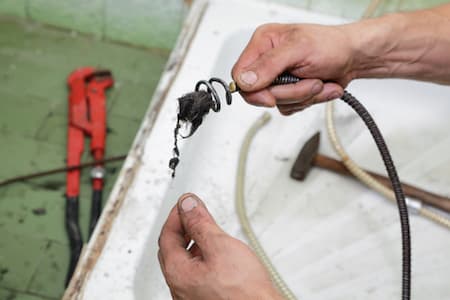
Your sewer line is one of the most important systems in your home, yet it is also one of the most overlooked. Hidden underground, it quietly carries wastewater away from your sinks, showers, toilets, and appliances. When something goes wrong, however, the consequences can be messy, expensive, and disruptive.
From a plumber’s perspective, most major sewer failures do not happen overnight. They develop slowly due to predictable causes. Understanding what leads to damage and how to prevent it can save homeowners thousands of dollars in unexpected repairs. Proactive care and early detection are always more affordable than emergency excavation.
Below are the most common causes of sewer line damage and the steps you can take to protect your property.
Tree Root Intrusion and Landscaping Considerations
Tree roots are one of the leading causes of sewer line damage. Roots naturally grow toward moisture, and even the smallest crack or loose pipe joint can release vapor that attracts them. Once roots find a way inside, they expand and multiply, eventually blocking or breaking the pipe.
Older clay sewer lines are especially vulnerable because they are installed in sections with joints that can shift over time. Even modern PVC systems can be compromised if installation was not done correctly or soil movement occurs.
Homeowners can reduce the risk of root intrusion by:
- Avoiding planting large trees directly above or near sewer lines
- Consulting a professional before major landscaping projects
- Installing root barriers when planting near underground utilities
- Scheduling periodic camera inspections for older homes
If you already have mature trees on your property, regular monitoring is essential. Root growth is gradual, which means early detection can allow for targeted cleaning rather than full pipe replacement.
Grease Buildup and Improper Disposal Habits
One of the most preventable causes of sewer line problems starts in the kitchen. Grease, fats, and cooking oils may go down the drain in liquid form, but they solidify as they cool inside the pipe. Over time, they accumulate along the pipe walls and restrict flow.
Grease buildup becomes even more problematic when combined with food scraps, coffee grounds, and paper products. The mixture can form stubborn blockages that resist simple snaking.
To prevent grease-related damage:
- Dispose of cooking oil in sealed containers, not the sink
- Wipe greasy pans with paper towels before washing
- Avoid pouring sauces or meat drippings down drains
- Use sink strainers to catch food particles
It is also important to remember that so-called flushable wipes are a common culprit in sewer backups. Even if labeled flushable, they do not break down like toilet paper and can snag inside pipes.
Preventative habits inside the home significantly reduce the need for drain & sewer line repair later.
Aging Clay or Cast Iron Pipes
Many homes in Upstate South Carolina were built decades ago using clay or cast iron sewer lines. While these materials were standard at the time, they have limited lifespans.
Clay pipes are brittle and prone to cracking under pressure. Cast iron pipes can corrode from the inside out, gradually thinning until they collapse or develop leaks. Over time, mineral buildup and rust can also narrow the interior diameter, slowing drainage and increasing the likelihood of clogs.
Warning signs of aging sewer pipes include:
- Frequent drain backups
- Persistent sewer odors
- Slow drains throughout the home
- Damp areas in the yard without visible cause
If your home is more than 40 years old and still has its original sewer line, a professional inspection is a wise investment. A camera inspection can reveal deterioration long before total failure occurs.
Replacing an aging pipe proactively may seem like a major expense, but it is often far less costly than repairing foundation damage, landscaping destruction, or interior water damage caused by a sudden collapse.
Ground Shifting and Heavy Vehicle Traffic
Soil movement is another common cause of underground pipe damage. In regions like Upstate South Carolina, seasonal moisture fluctuations can cause soil to expand and contract. Heavy rainfall saturates the ground, while hot, dry periods lead to shrinkage. This constant movement places stress on buried pipes.
In addition, driving heavy vehicles or parking equipment over sewer lines can compress the soil and crack pipes beneath. This is particularly risky during construction projects or driveway expansions.
To reduce ground-related risks:
- Avoid driving or parking heavy machinery over known sewer line paths
- Confirm pipe locations before installing patios or driveways
- Ensure proper drainage around the foundation to prevent soil erosion
- Monitor for low spots or unusual depressions in the yard
Professional plumbers understand how regional soil conditions impact underground systems. A qualified Upstate South Carolina plumber can evaluate your property and recommend preventative measures based on local conditions.
Preventative Inspections and Maintenance Schedules
The most effective way to avoid costly sewer repairs is through routine inspections and maintenance. Many homeowners wait until a backup occurs before calling a plumber. By that point, damage is often advanced.
A preventative approach includes:
Annual or biannual camera inspections for older homes
Routine professional drain cleaning when needed
Monitoring water pressure and drainage patterns
Addressing small clogs before they become major blockages
Hydro jetting, when appropriate, can clear buildup and roots before they compromise pipe integrity. However, this service should always be performed by a trained professional to avoid damaging fragile lines.
Scheduling inspections before peak seasonal stress periods can also help. For example, late summer drought conditions followed by heavy fall rains can increase soil shifting. Having your system evaluated before these transitions may reveal vulnerabilities.
Seasonal and Regional Considerations
Homes in Upstate South Carolina face unique environmental factors that influence sewer performance. Clay-heavy soils can retain water and place pressure on pipes. Sudden storms may overwhelm aging systems. Tree growth is robust in the region, increasing the risk of root intrusion.
During fall and spring, homeowners should:
- Clear yard debris that may obstruct outdoor cleanouts
- Watch for soggy areas after heavy rain
- Check for slow drains after extended dry spells
Seasonal awareness allows homeowners to respond quickly to early warning signs rather than waiting for full system failure.
The Value of Early Detection
From a plumber’s standpoint, early detection is everything. Minor cracks can be spot-repaired. Early root growth can be removed. Partial corrosion can be managed. Once a pipe collapses or fully separates, excavation and full replacement become necessary.
Homeowners often hesitate to schedule inspections because everything appears to be working fine. However, sewer lines rarely fail without warning. Subtle changes in drainage patterns, occasional gurgling noises, or mild odors are all signals worth investigating.
The cost of preventative service is almost always lower than emergency response, property restoration, and potential health risks associated with sewage exposure.
Protecting your sewer line is not just about avoiding inconvenience. It is about protecting your investment in your home.
If you are experiencing warning signs or want to schedule preventative maintenance in Upstate South Carolina, contact Mathis Plumbing & Heating Co., Inc. today for professional drain & sewer line repair services you can trust.