Water Heater Making Popping or Rumbling Sounds? Here’s What’s Happening Inside the Tank
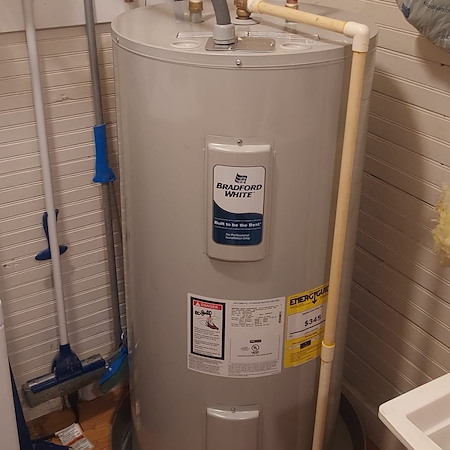
If your water heater has started making popping, rumbling, or crackling noises, it is not just “getting old” or working a little harder than usual. Those sounds are signals. Inside the tank, something is changing, and in most cases, sediment buildup is the reason.
Many homeowners in Upstate South Carolina ignore these noises at first. The hot water still works, so it does not feel urgent. But what sounds like a minor annoyance can gradually turn into overheating, internal damage, rising utility bills, and eventually tank failure. Understanding what is happening inside the tank can help you act early and avoid expensive replacements.
Let’s take a closer look at what those noises mean and why addressing them promptly matters.
What Causes Popping and Rumbling in a Water Heater?
The most common cause of popping or rumbling sounds in a traditional tank-style water heater is sediment buildup. Over time, minerals in your water supply, primarily calcium and magnesium, settle at the bottom of the tank.
In areas with hard water, this happens faster. Upstate South Carolina homes often deal with mineral-heavy water, which accelerates sediment accumulation.
Here is what happens step by step:
- Water enters the tank and is heated from the bottom.
- As the water heats, dissolved minerals separate and fall to the bottom.
- The minerals form a layer of sediment that hardens over time.
- The burner or heating element continues heating beneath this layer.
When water gets trapped under the sediment layer, it begins to boil. As it pushes through the mineral buildup, it creates popping, crackling, or rumbling sounds. What you are hearing is water forcing its way through hardened deposits.
That noise is not harmless. It is a sign that your water heater is working harder than it should.
How Sediment Buildup Affects Efficiency
A clean tank allows heat to transfer efficiently from the burner or heating element to the water. Once sediment builds up, that heat transfer becomes restricted.
Think of sediment as insulation at the bottom of the tank. Instead of heating water directly, the heating component must first heat the mineral layer. This reduces efficiency and forces the system to run longer cycles to achieve the same water temperature.
As a result:
- Energy consumption increases.
- Utility bills rise.
- Recovery time slows down.
- Hot water supply may feel inconsistent.
Many homeowners notice they are running out of hot water faster or that showers are not as hot as they used to be. The system is still functioning, but it is struggling.
Ignoring the problem only allows the sediment layer to thicken, making the system even less efficient.
Overheating Pockets and Internal Stress
As sediment continues to accumulate, the situation becomes more serious.
When water gets trapped beneath hardened mineral deposits, it superheats. These overheated pockets create internal pressure changes and thermal stress inside the tank. The popping sounds become louder and more frequent.
This ongoing overheating can cause:
- Damage to heating elements in electric units.
- Warping or weakening of the tank bottom.
- Premature failure of internal components.
- Increased risk of tank leaks.
In gas water heaters, excessive sediment can also lead to burner overheating. The burner must run longer and at higher temperatures to compensate, which increases wear and tear.
Over time, this constant strain shortens the lifespan of the entire system.
The Role of the Anode Rod
Another critical component affected by sediment buildup is the anode rod. This rod is designed to attract corrosive elements and prevent rusting in the tank. However, excessive sediment and mineral accumulation can accelerate anode rod deterioration.
When the anode rod is depleted, corrosion begins attacking the tank itself. Rust weakens the steel lining and increases the likelihood of leaks.
Many homeowners do not realize that sediment and corrosion are closely linked. What starts as a minor rumbling sound can eventually lead to irreversible tank damage.
Why Flushing the Tank Matters
Routine flushing removes accumulated sediment before it hardens and causes serious issues. During a professional flush, a technician drains the tank and clears out mineral deposits, restoring efficiency and protecting internal components.
Unfortunately, many homeowners skip this maintenance step. Some are unaware it is necessary. Others assume it is optional.
Without periodic flushing:
- Sediment layers thicken.
- Efficiency continues to drop.
- Heating components overwork.
- Internal damage progresses silently.
By the time the unit stops producing hot water or begins leaking, the damage may be beyond repair.
That is why professional flushing should be viewed as preventative maintenance rather than a reaction to failure.
When Noise Signals a Bigger Problem
While sediment is the most common cause, not every rumbling or popping sound should be dismissed as simple buildup.
Other potential causes include:
- A failing heating element.
- Loose internal components.
- Excessive pressure buildup.
- Burner assembly issues in gas units.
If the noise is accompanied by inconsistent temperatures, discolored water, or visible leaks, it is time to have the unit inspected.
An experienced Upstate South Carolina plumber can determine whether the issue can be resolved with flushing and targeted water heater repairs or if more extensive work is required.
The Cost of Waiting Too Long
Homeowners often delay service because the water heater is still producing hot water. However, waiting can turn a manageable issue into a costly replacement.
Sediment buildup increases operating temperature at the bottom of the tank. That repeated overheating weakens metal over time. Eventually, small cracks can form, leading to leaks. Once the tank itself is compromised, replacement is typically the only solution.
In contrast, early intervention through flushing and minor water-heater repairs can extend your system's life by years.
Preventative service typically costs far less than emergency replacement and water damage cleanup.
Signs You Should Schedule Service
If your water heater is making noise, consider scheduling an inspection if you notice any of the following:
- Popping, rumbling, or crackling sounds during heating cycles.
- Longer wait times for hot water.
- Reduced hot water supply.
- Higher utility bills without other changes.
- Water that appears rusty or cloudy.
- Unit is more than 5 years old without recent maintenance.
These warning signs indicate that sediment may already be affecting performance.
Preventative Maintenance as a Long-Term Strategy
Water heaters are often out of sight and out of mind. Because they sit quietly in a garage or utility closet, maintenance gets overlooked.
However, preventative maintenance protects:
- Efficiency.
- Internal components.
- Energy costs.
- Lifespan of the unit.
Annual inspections and flushing, especially in hard water areas, help prevent sediment from becoming compacted and difficult to remove. A technician can also check the anode rod, test heating elements, inspect valves, and confirm safe operation.
This proactive approach transforms water heater repairs from urgent emergencies into manageable service appointments.
Protecting Your Investment
A water heater is a major household appliance. Replacing one unexpectedly can be stressful and expensive. Addressing unusual noises early protects that investment.
When you hear popping or rumbling, it is your system’s way of signaling that conditions inside the tank are changing. Those sounds reflect heat struggling to move through layers of mineral deposits.
By taking action early, you:
- Restore efficiency.
- Reduce strain on components.
- Lower energy costs.
- Extend the system’s lifespan.
- Minimize the risk of sudden failure.
Preventative service keeps your hot water system operating reliably rather than pushing it toward a premature breakdown.
If your water heater is making unusual sounds in Upstate South Carolina, contact Mathis Plumbing & Heating Co., Inc. today for professional water heater repairs that restore efficiency and protect your system for years to come.