Tree Roots vs. Sewer Lines: A Hidden Problem in Older Upstate South Carolina Neighborhoods
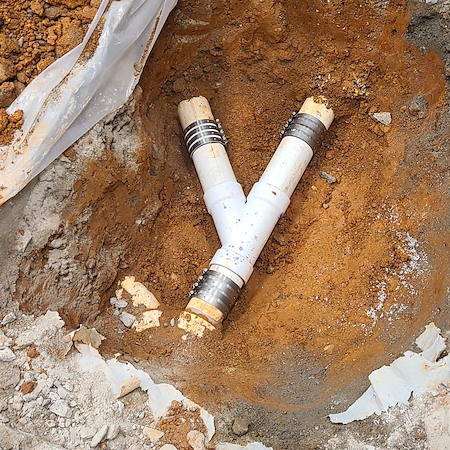
Old shade trees are part of what makes places like Greenville, Spartanburg, Greer, and Anderson feel like home. Yet those same roots often seek out tiny leaks in clay or cast iron laterals and turn a small flaw into a major clogged drain and sewer problem. If you live in a home built decades ago, this quiet battle may already be underway beneath your lawn.
Why Tree Roots Target Old Sewer Lines In Upstate South Carolina
Roots chase water and nutrients. Sewer lines offer both. In many older Upstate homes, laterals were installed with clay bell joints or cast iron that can shift over time. Temperature swings, heavy spring rains, and our region’s dense red clay soil add stress. Small separations or hairline cracks release vapor and moisture that attract feeder roots. Once a hairlike root gets in, it thickens, multiplies, and forms a dense web that traps toilet paper and grease. The result is slow drains, gurgling, or even a mid-storm backup.
Neighborhoods with mature canopies, such as North Main in Greenville, Converse Heights in Spartanburg, and established areas of Taylors and Simpsonville, often have a mix of older pipe materials and large oaks or maples. That combination raises the risk. Newer PVC lines with solvent-welded joints tend to resist intrusion better, but they can still be compromised at transitions to older sections or where the pipe has settled.
Early Warning Signs Homeowners Often Miss
Root intrusion rarely starts with a dramatic backup. It builds. Here are common clues that deserve attention:
- Recurring slow drains in the lowest fixtures, such as a basement shower or first-floor tub
- A toilet that needs multiple flushes or bubbles when the washing machine drains
- Gurgling sounds after heavy rain or when several fixtures run at once
- Unexplained wet patches or greener grass strips tracing the yard’s pipe path
- Sulfur-like sewer odors near floor drains or in the yard
Do not ignore sewer odors inside the home. Odor is often the first hint that wastewater is not venting or flowing as it should. If slowdowns return within weeks of snaking, roots are likely regrowing inside the line.
How Sewer Camera Inspections Find Hidden Intrusions
A sewer camera inspection threads a flexible, high-definition camera through your cleanout or a pulled toilet to explore the entire lateral. This is not guesswork. It is a recorded, visual tour that shows where the pipe changes material, where joints are displaced, and exactly where roots break in. In older Upstate neighborhoods, that level of detail saves time and protects landscaping, since the team can mark the surface location and depth before any digging.
What to expect during a professional inspection:
- Locate and access the cleanout, then run the camera from the house to the street connection
- Document pipe material changes, joint spacing, cracks, bellies, and active root masses
- Use a locator to mark depth and position on the lawn, driveway, or planting bed
- Provide a recording and a simple report so you can see what the technician sees
The clear video helps separate a normal, age-related clog from a structural problem. That matters because the right fix for a soft clog is not the same as the fix for a cracked clay elbow four feet under your azaleas.
From Greenville To Spartanburg: Local Trouble Spots And Pipe Materials
Homes built before the 1980s in Greenville’s Augusta Road area, parts of Judson, and older streets near Cleveland Park often used clay. In Spartanburg, many charming bungalows around Hampton Heights and Converse Heights still rely on cast iron or clay laterals. Clay is vulnerable at the joints, while cast iron can corrode from the inside and form flakes that catch roots. Transition points are hot spots too, such as where a PVC repair meets an old clay run. The soil here holds water, and roots thrive in those gaps after big summer storms.
Another factor is the distance and slope. Long runs with a shallow pitch tend to collect solids if even a small ring of roots slows the flow. That is why you might notice gurgling after back-to-back showers or a laundry day spike. A precise camera inspection will show if the pitch is acceptable or if a settled section needs attention.
Repair And Prevention Options That Work
There is no one-size-fits-all fix. The right plan depends on the pipe’s age, material, and how serious the damage is. A reputable plumber will share the video and explain options in plain language.
Common approaches include:
Targeted cutting and cleaning. Mechanical cutters or specialty jetting heads clear root mats and restore flow. This can be a short-term relief if roots are entering through a structural gap. Your plumber will often pair cleaning with a follow-up camera pass to confirm the line is fully open.
Lining or spot repair. If the pipe walls are generally sound but joints open at a few locations, trenchless lining can create a smooth, sealed path that roots cannot enter. Spot liners address individual cracks. Full-length liners address multiple problem joints and minor offsets.
Open trench replacement. When sections are broken, collapsed, or badly offset, a direct replacement may be the safest long-term fix. This can be limited to the failed stretch. Crews plan routes to protect high-value trees and landscaping where possible.
Transition seals and cleanout upgrades. Many older homes lack a proper cleanout. Adding one makes future maintenance simpler and reduces the chance of indoor mess. Sealing material transitions help keep roots out for good.
Why Quick Action Pays Off For Older Upstate Homes
Roots do not stop growing. Each season, the mass inside a pipe thickens and grabs more debris. That means more blockages, higher risk of overflow, and more stress on the pipe walls. Responding early costs less time and disruption than waiting for a holiday-weekend emergency. It also protects floors and drywall and keeps your yard from turning into a dig site.
If slow drains keep returning, schedule a sewer camera inspection before another quick snake. The video answers the “why” behind the clog and points to a lasting fix.
What A Good Plumber Will Do On Day One
Clear communication is as important as the tools used. A trustworthy team will:
- Listen to your history of clogs and note which fixtures act up first
- Check venting and main line access before running the camera
- Record clear footage with on-screen distance markers
- Explain the findings in simple terms and outline options without pressure
- Mark the yard so you understand any proposed repair path
Homeowners across Upstate South Carolina often tell us that seeing the issue on video turns stress into confidence. You are no longer hoping a quick fix works. You know exactly what is wrong and how it will be addressed.
Seasonal Factors In The Upstate That Make Root Issues Worse
Our region sees heavy spring and summer storms followed by hot stretches. That swing pushes and pulls on old joints. Fall leaf drop can send extra organic matter into the system, which snags on even small root hairs. In winter, rare cold snaps can cause shallow sections to heave. All of this explains why a home that felt fine last year might struggle this year, especially if a large oak, sweetgum, or maple sits near the sewer path.
Landscaping choices matter too. Fast-growing species with aggressive root systems should be planted far from the sewer line. If you are redoing a yard in a historic district, ask your plumber to locate and flag the lateral first so your arborist can plan spacing.
How To Choose The Right Partner For Clogged Drain And Sewer Problems
Look for a licensed, insured team with proven camera inspection experience in older neighborhoods. Ask to see sample reports. Confirm they can perform both trenchless and open-trench repairs so the recommendation fits your home, not what their truck is set up for that day. A company that stands behind its work, shows you the footage, and talks you through options is the partner you want when roots keep coming back.
When comparing providers, focus on clarity and responsiveness rather than a single number on a quote. The best value is a solution that prevents repeat visits and protects your property. That starts with a thorough diagnosis and ends with a sealed, reliable line.
Where A Service Call Fits Into Your Home Maintenance Plan
Homeowners in Greenville’s older streets or Spartanburg’s historic pockets often plan seasonal tasks like HVAC filter changes and gutter cleaning. Add a sewer check to that list if you have mature trees within 15 to 25 feet of the lateral path, or if you have had more than one backup in a year. A quick inspection can confirm you are clear or catch an early intrusion before it spreads.
If you are preparing to sell, a clean camera report can also ease buyer concerns about older plumbing. It shows care and gives both sides confidence at the closing table.
A Simple Path Forward
You do not have to live with surprise backups or recurring slowdowns. Start with a clear diagnosis and a tailored repair plan. If you want help now, reference our clogged drain and sewer service page to understand the process technicians follow during inspection and repair, then schedule a visit that fits your calendar.
Need a local plumber for clogged drain and sewer issues in Upstate South Carolina? Call Mathis Plumbing & Heating Co., Inc. at 864-229-7117 to get a professional camera inspection and a lasting fix.
Why Mathis Plumbing & Heating Co., Inc. Is A Smart Choice For Older Neighborhoods
Our team works in mature-tree areas every week and understands how roots behave in our soil and weather. We plan repairs to protect your landscaping, help you weigh trenchless options, and keep your household running during the work. We share video findings, set clear expectations, and clean up when the job is done, so you can get back to life with confidence.
If you are ready to move from guesswork to clear answers, review the steps outlined on our clogged drain and sewer service resource and tell us what you are experiencing. We will align the inspection to your home’s layout and tree coverage, then explain next steps in plain language.
Pro tip: Keep recent drain history handy when we arrive. Noting which fixtures slow first helps us locate the problem faster and choose the best access point for the camera.
Final word: Roots are persistent, but a well-sealed line is stronger. With the right plan, your older Upstate home can keep its beautiful trees and enjoy smooth-flowing drains year-round.