Gas vs. Electric Tankless Water Heaters in Upstate South Carolina: Which Works Best for Rural vs. Suburban Homes?
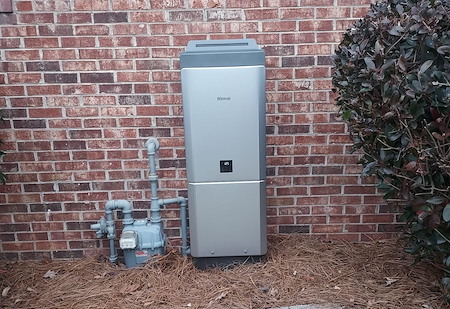
If you live in the Upstate, you have likely heard how tankless water heaters deliver endless hot water and save space. The bigger question is whether gas or electric is the better match for your home. As a local plumber, Mathis Plumbing & Heating Co., Inc. helps homeowners in both rural and suburban areas weigh real infrastructure, installation steps, and day-to-day performance so you can choose with confidence.
How Upstate Utilities Shape Your Choice
The fastest way to narrow your options is to look at the fuel you already have. In much of the I-85 corridor, many neighborhoods have natural gas service. Outside town centers and new subdivisions, homes may rely on propane or be fully electric. Availability can change street by street, and utility maps update over time, so it is smart to confirm what is actually at your meter or panel.
Confirm your fuel availability before you pick equipment. If you already have natural gas, a gas tankless unit often integrates well. If you are all-electric and your panel has capacity, an electric tankless can be a clean fit. Homes using propane can run gas tankless units as well, but tank placement, delivery schedules, and regulator sizing require attention.
Gas Tankless Water Heaters: Pros, Cons, and Best-Fit Homes
Gas tankless heaters are popular throughout the Upstate because they can serve multiple fixtures at once. A strong gas model can support a shower while the dishwasher runs, which is handy for bigger households. Natural gas is commonly available in many suburban areas, so the utility hook-up can be straightforward when lines and meters are sized properly.
Venting and combustion air are the big planning items. Direct-vent units use sealed piping to bring in outside air and send exhaust outdoors. This protects indoor air quality and allows flexible placement. In older homes, running new vent lines may require drilling through siding or roofs, so a careful plan helps keep your home tight and tidy.
Maintenance is simple when done on a schedule. Gas burners need clean combustion, and heat exchangers benefit from periodic descaling, especially if your home has hard water or a private well. A quick annual check by a licensed plumber helps maintain efficiency and avoid nuisance shutdowns.
Where gas shines in the Upstate:
- Homes in neighborhoods with existing natural gas service and properly sized meters
- Larger families who run several hot-water tasks at the same time
- Properties where venting to an exterior wall is practical
Potential tradeoffs include the need for safe vent paths and gas line sizing. If your meter or interior gas lines are undersized, a professional may recommend upgrades so the unit gets a steady fuel supply without starving other appliances. Propane users should account for the tank's location, winter access for deliveries, and the regulator's condition.
Electric Tankless Water Heaters: Pros, Cons, and Best-Fit Homes
Electric tankless units skip combustion and flues, which can simplify placement. There is no exhaust pipe to route, and the cabinet is compact. Many homeowners like the quiet operation and the fact that electric models pair well with homes that already rely on electricity for heat and cooking.
The key factor is your electrical service. Modern electric tankless models draw significant amperage at full output. Some homes already have the needed capacity in their main panel and wiring. Others may require a panel upgrade or new dedicated circuits. A quick load calculation by a licensed plumber and electrician prevents tripped breakers and ensures hot water when you need it.
Where electric fits well in the Upstate:
- All-electric homes or homes without easy vent routes
- Smaller households with one or two simultaneous hot-water demands
- Properties where upgrading electrical service is simpler than adding or upsizing gas lines
Electric units remove concerns about combustion safety and vent terminations. Keep in mind that electric models rely on steady power. If your area sees outages during summer storms or winter cold snaps, a whole-home backup strategy may be worth discussing.
Rural vs. Suburban Scenarios Across the Upstate
Suburban households in places with natural gas lines often pick gas tankless because it handles the morning rush hour without blinking. The vent can exit a side wall, and the meter is usually close by. Many newer subdivisions were planned with gas in mind, which helps the installation move quickly once sizing is confirmed.
Rural properties may not have natural gas access, so the decision is usually propane gas tankless versus electric tankless. If you already have a propane tank for heat, a gas tankless can tie into that system with the right regulator and line sizing. If you do not store fuel and your electrical service is strong, an electric tankless water heater can be a clean, simple way to gain endless hot water without adding a tank to the yard.
Well water is common outside city centers. Mineral content can leave scale inside any tankless unit over time. A professional-grade flush valve set and regular descaling help maintain performance. If your water test shows hardness, a compatible water conditioning system can protect your heater and fixtures.
Installation Factors a Local Plumber Checks
Every Upstate home is a little different. A licensed plumber will inspect your current water heater location, gas or electrical connections, venting options, and the distance to your most-used fixtures. The goal is to set the unit so that it delivers hot water fast, with minimal line losses, and with safe, code-compliant connections.
Have a licensed plumber size gas lines or electrical circuits for safety. For gas units, the team will check meter capacity, pipe diameters, and regulator settings. For electric units, they will verify panel size, breaker spaces, wire gauge, and voltage. This planning prevents mid-project surprises and keeps your system reliable in every season.
Beyond utilities, mounting surface and condensate handling matter. High-efficiency gas models create cool condensate that must drain safely. Electric units need clearances that allow service access. In tight utility rooms or garages, a wall-mount plan can free floor space and protect the heater from storage bumps.
Performance in Real Upstate Conditions
Water temperature at the tap depends on how much you ask from the heater at once and how cold the incoming water is. The Upstate sees mild to warm groundwater most of the year, with colder inlet water in the heart of winter. On those chilly mornings, your tankless unit has to work a little harder to raise the temperature.
Avoid undersizing your heater; cold snaps reduce inlet water temperature. If you choose a model based only on average conditions, showers can feel cooler when winter hits. A proper sizing review looks at your home’s likely peak flow rate and a realistic winter temperature rise so you stay comfortable year-round.
Response time also matters. A smart layout, short hot-water runs, and optional recirculation accessories can cut the time it takes for hot water to reach distant bathrooms. This does not increase the heater’s flow capacity, but it can improve comfort in larger or spread-out homes.
Comparing Daily Use: What Homeowners Notice
Homeowners switching from tanks to tankless water heaters often report steadier hot water during long showers. Gas units respond quickly to big demands and suit multitasking households. Electric units deliver smooth, even temperatures and operate quietly. In both cases, a correctly sized, professionally installed system is the difference between delight and daily frustration.
Noise, placement, and maintenance all play roles. Gas units produce a soft whoosh when the burner lights, while electric units are nearly silent. Annual maintenance keeps warranties intact and efficiency high. Many families schedule service before winter to confirm everything is ready for the busiest hot-water season.
Infrastructure Differences Across the Region
Because the Upstate blends cities, small towns, and country properties, infrastructure can vary widely. Subdivisions built in recent years often have consistent gas service, modern electrical panels, and logical places to route vents. Farmhouses and cabins might have compact panels, long water runs, or older utility connections. That is why site visits are so valuable. An in-person review by Mathis Plumbing & Heating Co., Inc. ensures your plan matches the real-world layout of your home, not just a brochure diagram.
If you plan renovations, tell your plumber. Kitchen and bath updates can shift hot-water needs. Adding a soaking tub or converting to multi-head showers changes the math. When the plan is clear, the equipment choice becomes simple.
Installation Steps Homeowners Can Expect
Once you select gas or electric, your installer secures the unit, connects water lines with service valves, and completes either the venting and gas lines or the dedicated electrical circuits. The team then purges air, checks for leaks, verifies proper combustion or current draw, and dials in temperature. A final walkthrough shows you how to set temperature limits and explains maintenance intervals.
For homes with propane, coordination with your fuel provider ensures tank levels and regulators are ready. For fully electric homes, coordination with the utility may be helpful if a panel upgrade is part of the plan. Either way, planning reduces downtime so your family is back to normal quickly.
Which System Is Right for Your Home?
If you enjoy natural gas service and need strong multi-fixture performance, a gas tankless water heater is a proven choice. If your home is all-electric or you prefer equipment with no combustion and no venting, electric tankless is a clean option. Many Upstate homeowners decide based on what their home already supports with minimal changes.
We serve households throughout Upstate South Carolina and tailor recommendations to your address, not just your ZIP code. To talk through sizing and placement, call our friendly team at 864-229-7117. We will review fuel availability, panel or gas capacity, venting routes, scale risk, and fixture usage so the system you pick feels right on day one.
For fast, expert help choosing the right tankless water heater for your Upstate South Carolina home, contact Mathis Plumbing & Heating Co., Inc. today.
Not sure where to start? A short visit from our licensed plumber will give you a clear plan and an upfront scope of work. We will size based on your actual hot-water habits, discuss recirculation options to speed delivery to distant bathrooms, and map the safest utility path. With the right plan, your new system will feel simple, safe, and strong in every season.