WSigns Your Water Heater Is Struggling After a Long Summer of High Usage
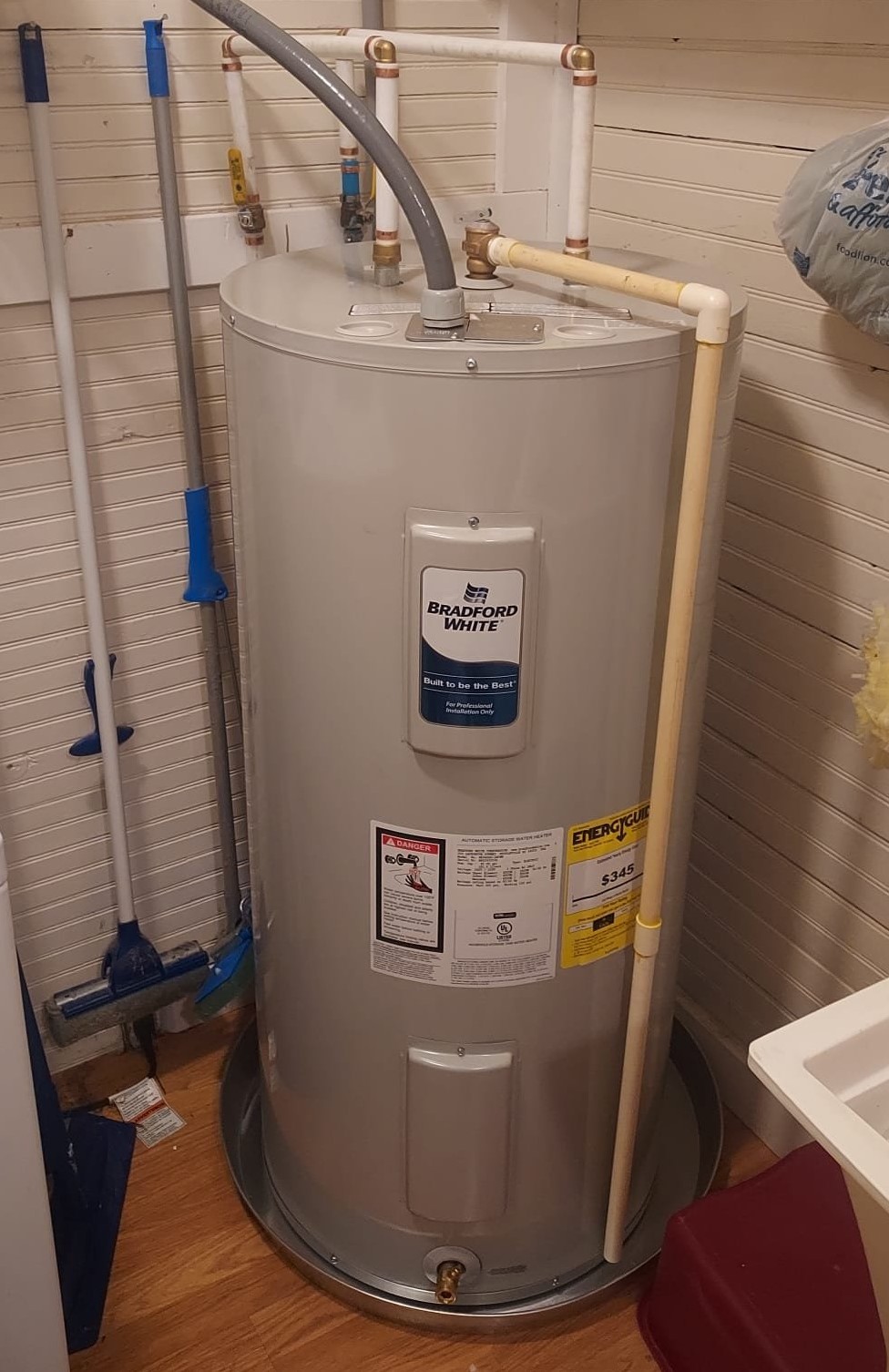
Hosting family at the lake, extra showers after humid afternoons, and more laundry from ball games can push your water heater hard in Upstate South Carolina. If you’re noticing little changes after a busy summer, it may be time to consider professional water heater repair before cooler mornings return. Acting early helps you avoid surprise cold showers and protects your home from leaks.
Why Summer Strain Shows Up in Late Summer and Early Fall
High demand exposes weaknesses. When hot water runs for longer stretches, minerals and fine grit settle faster inside tanks. Tankless systems can build scale on heat exchangers, which slows heating and causes temperature swings. Well pumps in rural areas around Greenville, Anderson, and Spartanburg may also cycle more often, which can change the pressure on valves and fittings.
As back-to-school routines start and weekend football guests return, the pattern continues. Small issues from June and July can become bigger problems by September if left unchecked.
Common Signs Your Water Heater Needs Attention
Watch for these symptoms in homes across Greenville, Greer, Simpsonville, Easley, and nearby neighborhoods:
- Water turns lukewarm or varies from hot to cool during a single shower
- Hot water runs out much faster than it used to
- Banging, popping, or rumbling sounds from the tank
- Cloudy water, a sandy feel, or a metallic smell
- Small drips around the tank, valves, or the expansion tank
- Burner flames with yellow tips on gas units or a burnt smell on electric units
- Unexpected changes in water pressure when using hot water
Do not ignore banging or rumbling sounds. They often point to sediment that overheats and can damage the tank lining over time.
How Increased Summer Use Creates Hidden Problems
Showers, dishwashing, and laundry send heavier flow through your system. With municipal water or private wells common across Upstate South Carolina, minerals can settle inside a tank and form a thick layer. That layer traps heat, which makes the tank work longer to produce the same temperature. Recovery times slow down, and utility bills can creep up.
On tankless heaters, scale forms on the heat exchanger. The unit may struggle to detect and maintain the right flow. You might feel bursts of cooler water or see error codes that come and go. These are warning lights for service, not just annoyances.
Temperature Swings, Lukewarm Water, and Running Out Too Fast
If your showers turn cool by the end, the thermostat or heating elements may be fighting sediment. For gas units, a partially blocked burner or a weak draft can reduce heat output. For electric units, a failing upper element can produce barely warm water, while a failing lower element often results in hot water that runs out too soon.
Tankless systems tell a similar story in a different way. Scale and a dirty inlet screen reduce flow. The unit then struggles to hit the set temperature, especially when two fixtures are running at once. A persistent drop in temperature under load is a clear sign that it's time to schedule service.
Pressure Problems and Expansion Tanks
Pressure shifts are common after heavy summer use. Many homes around Greenville, Spartanburg, and Anderson have a pressure-reducing valve and a small expansion tank near the water heater. If either weakens, hot water may surge or drop. You might notice a brief burst of high pressure that fades, or your relief valve may spit out tiny amounts of water.
Thermal expansion during long showers can also raise system pressure. If the expansion tank loses its charge, that pressure has nowhere to go. Over time, this can fatigue valves and shorten the life of your heater.
Sediment Buildup: Sounds, Smells, and Scale
Rumbling or popping in a tank is a classic sign of sediment. That sound is steam bubbles snapping under the mineral layer. You may also notice water that looks hazy when hot, then clears as it cools. These symptoms tend to appear more often in late summer, when demand is highest.
Homes on private wells across rural parts of the Upstate may see more grit or iron staining. Even on city water, fine particles from mains and seasonal changes can settle. Left alone, this buildup reduces capacity, stresses heating elements, and can shorten the tank’s life.
Local tip: After a stretch of summer thunderstorms, sediment can spike briefly in some neighborhoods. A professional flush and safety check before fall can help restore steady temperatures and protect your tank.
Tankless Units After a Busy Summer
Tankless water heaters are efficient, but they are not immune to scale. Long showers and back-to-back loads of laundry in July and August leave residue on the heat exchanger. The result can be slow heating, short bursts of cold, and error codes during high demand.
If you feel a “cold sandwich” effect when someone starts a second shower, or your unit struggles when the dishwasher runs, that is a sign your system needs service. A licensed plumber can descale the unit, clean the filters, confirm the gas or electrical supply, and reset the unit to normal performance.
What a Pro Checks During Late-Summer Service
A qualified plumber can quickly isolate the cause and restore performance. Typical checks include:
- Testing temperature, recovery time, and hot-water capacity under load
- Inspecting anode rod condition, heating elements or burner, and venting
- Flushing sediment and verifying the thermostat and safety controls
- Checking the pressure-reducing valve, thermal expansion tank, and relief valve
- Reviewing supply gas pressure or electrical connections and wiring
- For tankless models, descaling the heat exchanger and cleaning inlet screens
Never remove access panels or gas components on your own. Internal parts run hot, carry live voltage, or handle combustion. A licensed plumber has the tools and training to diagnose and safely correct issues.
Neighborhoods and Home Types That See More Stress
Older homes in Greenville’s historic areas may have aging supply valves or older electrical circuits that make heaters work harder. Larger households in fast-growing communities like Greer, Simpsonville, and Powdersville often push capacity on busy weekends. Lake homes near Hartwell, Keowee, or Bowen can see heavy seasonal use and mineral buildup after long guest stays.
Townhomes and condos with compact utility closets trap heat around the tank, which can accelerate wear. Rural properties on private wells may face more grit and iron, which speeds up scale. In each case, regular service keeps your system in balance when demand climbs.
Energy Oversights That Look Like “Water Heater Problems”
Not every hot-water issue comes from the heater itself. Mixed temperature valves in showers can stick after heavy use. Recirculation pumps may run on the wrong schedule. Outdoor faucet leaks and running toilets increase overall water demand, which can make it feel like the heater is weak.
A whole-home view helps. A plumber will check fixtures, verify valve function, and confirm your heater is properly sized for your household’s current needs.
When Repair Makes Sense Before Cooler Weather
Addressing small problems now prevents bigger ones when mornings turn brisk. Replacing a worn anode rod or a weak heating element, fixing a dripping valve, or descaling a tankless unit can restore capacity and extend system life. It also helps smooth out family routines as school, sports, and holiday prep stack up.
Schedule a professional inspection before fall. It is the simplest way to avoid cold showers, protect your tank, and steady your monthly bills.
What To Expect From a Professional Visit
When you schedule service with Mathis Plumbing & Heating Co., Inc., a licensed plumber arrives with the right test equipment and parts. They will listen to your symptoms, run a hot-water stress test, and document temperature, pressure, and recovery time. They will then explain what they found in clear terms and propose a plan to restore performance.
Many homeowners appreciate a brief walkthrough at the end. You will know the status of your anode rod or burner, the condition of your expansion tank, and any future maintenance to plan for. If your system is near the end of its life, your plumber will outline practical replacement options without pressure.
Safety Matters During Any Water Heater Repair
Gas leaks, scalding water, and electrical hazards are real risks. Keep flammable items away from the heater, and do not adjust gas valves or pilot assemblies yourself. If you smell gas or see continuous leaking, turn off the water supply to the heater and call for immediate help.
For electric units, if a breaker trips more than once, leave it off and request service. Touching internal wiring or elements can be dangerous without proper training and tools.
Plan Ahead: Align Service With Your Fall Routine
Back-to-school is a great reminder to tune your hot-water system. A late-summer or early-fall visit sets you up for holiday guests and colder nights across Upstate South Carolina. It is an easy way to lock in steady showers, cleaner dishes, and reliable laundry cycles when schedules get tight.
If you hosted large groups this summer, upgraded a bathroom, or added a high-flow showerhead, mention it during scheduling. Those details help your plumber tailor the inspection and anticipate parts.
Ready To Restore Reliable Hot Water?
Protect your comfort and your home before fall arrives. Contact Mathis Plumbing & Heating Co., Inc. to book water heater repair or a full system check. Call us at 864-229-7117 and our local team will find a convenient time that fits your schedule.
Your comfort is our priority. One thoughtful service visit now can prevent surprises later and keep hot water flowing for every shower, load of laundry, and game-day dish in your Upstate South Carolina home. Call now for water heater repair service as soon as possible.