Is Your Home Ready for a Tankless Water Heater? 5 Hidden Requirements Most Homeowners Miss
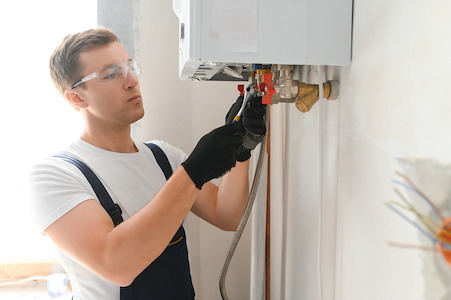
Upgrading to a tankless water heater is one of the most appealing improvements a homeowner can make. Endless hot water, improved energy efficiency, and a compact design make these systems an easy sell. However, what many homeowners do not realize is that switching from a traditional tank system is not always a simple swap.
Behind the scenes, several technical requirements must be met before installation can proceed safely and effectively. Skipping these details can lead to poor performance, higher costs, or even system failure. Working with an experienced Upstate South Carolina plumber helps ensure everything is done correctly from the start.
Before you move forward with installation, here are five hidden requirements that many homeowners overlook.
1. Electrical Capacity May Need an Upgrade
Tankless systems, especially electric models, require significantly more power than traditional water heaters. While a standard tank unit draws power periodically, a tankless system heats water on demand, so it requires a strong, consistent electrical supply.
Many homes are not equipped with the necessary amperage to support this demand. In some cases, you may need:
- A larger electrical panel
- Dedicated circuits
- Upgraded wiring
Without these upgrades, your system may struggle to perform or frequently trip breakers. Even gas-powered units still require electricity for ignition and control systems, so electrical readiness is always part of the equation.
A professional evaluation will determine whether your current setup can handle the load or require upgrades before installation.
2. Gas Line Sizing Is Often Overlooked
For homeowners choosing a gas-powered tankless water heater, proper gas line sizing is critical. Tankless units require a much higher gas flow rate compared to traditional storage tanks.
If your existing gas line is too small, the system will not receive enough fuel to operate efficiently. This can result in:
- Inconsistent water temperature
- Reduced system performance
- Increased wear on components
In many cases, installing a tankless system means upgrading to a larger gas line to ensure proper fuel delivery. This is not a minor adjustment and should always be handled by a licensed professional.
Correct gas line sizing ensures your system runs at peak efficiency and provides the consistent hot water supply you expect.
3. Venting Requirements Are Completely Different
One of the biggest differences between traditional and tankless systems is how they handle exhaust. Tankless units produce high-temperature exhaust that must be vented properly to maintain safety and efficiency.
Standard venting systems used with older water heaters are often incompatible. Tankless systems typically require:
- Stainless steel or specialized vent piping
- Direct venting through walls or roofs
- Proper placement to avoid backdraft issues
Improper venting can lead to serious safety concerns, including carbon monoxide exposure. It can also reduce system efficiency and shorten the unit's lifespan.
A professional installation ensures that all venting components meet current codes and manufacturer specifications, protecting both your home and your investment.
4. Water Pressure and Flow Rate Must Be Evaluated
A tankless water heater works differently from a storage tank. Instead of holding hot water, it heats water instantly as it flows through the unit. This means water pressure and flow rate play a major role in performance.
If your home has low water pressure or inconsistent flow, you may notice:
- Fluctuating temperatures
- Reduced hot water output
- Difficulty running multiple fixtures at once
In some cases, adjustments such as installing pressure regulators or upgrading plumbing may be needed to support the system. It is also important to choose the right size unit based on your household’s water usage.
For example, a larger home with multiple bathrooms will require a higher-capacity unit than a smaller household. Proper sizing and flow evaluation ensure your system delivers reliable hot water when you need it.
5. Proper Placement and Space Planning Matter
While tankless systems are compact, their placement still requires careful planning. These units must be installed in a location that allows for proper ventilation, drainage, and maintenance access.
Indoor installations may require:
- Clearance for venting and airflow
- Access to electrical and gas connections
- Protection from moisture or temperature extremes
Outdoor units must be placed in areas protected from weather conditions and that meet local building codes.
Choosing the right location is not just about convenience. It directly affects system performance, efficiency, and longevity. A poorly placed unit can lead to avoidable repairs and higher operating costs over time.
Why Professional Installation Makes a Difference
With so many hidden requirements, it is easy to see why installing a tankless water heater is not a typical DIY project. Each component of the system must be carefully evaluated and adjusted to match your home’s infrastructure.
Professional installation provides several key benefits:
- Accurate system sizing based on your household needs
- Code-compliant upgrades for gas, electrical, and venting systems
- Proper setup to maximize efficiency and lifespan
- Reduced risk of costly mistakes or safety issues
A trained professional understands how all these elements work together and can identify potential challenges before they become problems.
Avoiding Common Mistakes
Homeowners who attempt to install or upgrade without proper planning often run into issues that could have been avoided. Some of the most common mistakes include:
- Choosing the wrong system size
- Ignoring gas or electrical limitations
- Using incorrect venting materials
- Overlooking maintenance access
These mistakes can lead to higher installation costs, poor system performance, and even safety risks. Taking the time to assess your home properly ensures a smoother installation process and better long-term results.
Is Your Home Ready?
The idea of upgrading to a tankless water heater is exciting, but preparation is key. Every home is different, and what works for one property may not work for another without adjustments.
By addressing electrical capacity, gas line sizing, venting, water pressure, and placement, you can ensure your home is truly ready for the upgrade. This not only protects your investment but also ensures you get the full benefits of your new system.
If you are unsure where your home stands, a professional evaluation is the best place to start. It provides clarity, avoids guesswork, and sets the stage for a successful installation.
Contact Mathis Plumbing & Heating Co., Inc. today for expert help in Upstate South Carolina and get your tankless water heater installed the right way.