How Catch Basin Maintenance Protects Stormwater Systems and Properties
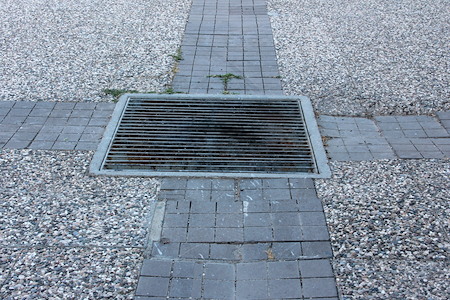
In Upstate South Carolina, quick summer downpours and the occasional tropical remnant can flood streets, parking lots, and yards in minutes. A well‑maintained catch basin is one of the most reliable defenses your property has against sudden pooling water. It keeps heavy debris out of the stormwater system, moves runoff away from foundations and pavement, and helps protect local creeks and rivers. When a trained plumber services your basin with the right vacuum and jetting equipment, the result is a safer property and fewer drainage headaches. If you manage a home, HOA, or business, putting routine care on the calendar is the simplest way to prevent emergency flooding. You can also schedule targeted catch basin maintenance before peak storm season to stay ahead of problems.
What A Catch Basin Does in A Stormwater System
Think of a catch basin as a filter and storage box built into the ground. Rainwater and sheet flow enter through the grate. Sand, leaves, and trash settle in the sump below while cleaner water exits through an outlet pipe to the rest of the storm drain network. By trapping sediment, the basin keeps pipes from silting up and slows down the first flush of dirty runoff.
In our region, red clay, pine needles, and oak leaves are common culprits. Clay turns to a thick paste that can accumulate throughout a drainage system, while pine straw and leaves can collect beneath grates and restrict water flow. Over time, these materials reduce the basin's capacity and increase the risk of localized flooding during heavy rain events. Routine inspections and cleaning help keep catch basins functioning as intended, protecting both the surrounding property and the downstream stormwater infrastructure.
Why Maintenance Matters in Upstate South Carolina
Local weather patterns put extra stress on stormwater systems. Short, intense cloudbursts are common from late spring through early fall. Add leaf drop in October and November, and many basins fill up just when they’re needed most. Neighborhoods with rolling grades, like parts of Greenville, Greer, and Simpsonville, send fast runoff into low spots, which makes any blockage more noticeable and more costly.
Parking lots and commercial drives around Spartanburg and Anderson have another challenge: vehicle oils and grit. Without routine cleaning, hydrocarbons cling to sediment in the basin. Over time, that can produce odors and stain nearby pavement when water overtops. Proactive service removes the buildup, so stormwater has a clear path during the next big cell that blows across the foothills.
Local tip: The first heavy storm after long dry spells often carries extra grit, leaves, and trash. Scheduling a catch basin inspection right before summer downpours or after peak leaf fall helps keep systems ready for sudden runoff.
Clear Signs Your Catch Basin Needs Professional Service
Catch basins don’t raise a hand when they need attention, but they do send signals. If you notice any of the following, it’s time to call a licensed plumber with jet vac equipment:
- Standing water around the grate long after the rain stops.
- Visible debris matted across the grate or wedged in the curb opening.
- Gurgling sounds or a strong, sour odor from the storm drain area.
- Erosion lines, sinkage, or cracking in asphalt or concrete around the basin.
- Sediment visible near the outlet pipe inside the basin.
These issues point to reduced capacity inside the sump or a downstream restriction. Left alone, small blockages turn into flooding that can reach door thresholds or loading docks. If water is rising near entries or electrical rooms, treat it as urgent and contact a pro right away.
How Professional Catch Basin Cleaning Protects Properties
Routine service delivers several practical benefits that matter for homes, HOAs, and commercial sites across the Upstate:
- Flood Prevention: Restored capacity helps keep water below the grate during intense rainfall.
- Pavement Protection: Dry subbase means fewer potholes and less premature cracking.
- Foundation Safeguards: Moving runoff away from buildings reduces hydrostatic pressure on walls.
- Cleaner Stormwater: Removing sediment and floatables keeps pollutants out of local waterways.
- Lower Emergency Risk: Fewer callouts during storms and better drainage performance year‑round.
When the catch basin does its job, everything downstream performs better. You’ll see fewer puddles, less tracking of mud across entrances, and a safer, tidier curb appeal for residents, customers, and visitors.
Recommended Maintenance Schedules For Homes, HOAs, and Businesses
How often should a catch basin be serviced? Frequency depends on tree cover, traffic, and slope. As a general guideline in Upstate South Carolina, once per year works for many single‑family neighborhoods with moderate leaf drop. Basins that sit under large oaks or beside steep drives often need attention twice yearly, especially before summer storms and after fall leaves. Busy retail or industrial sites with heavy vehicle traffic may benefit from quarterly checks because grit and trash accumulate faster.
What To Expect During A Professional Service Visit
Licensed plumbers bring specialized equipment that cleans thoroughly without damaging concrete or pipes. Here’s a typical workflow to protect your property and stormwater system:
First, the technician inspects the grate, sump, and outlet pipe for structural issues. Next, a high‑powered vacuum removes sediment, leaves, and trash from the basin. If the outlet pipe shows buildup, water jetting scours the line and flushes debris back to the vacuum for proper disposal. Crews then confirm flow by checking levels during a controlled rinse or natural rainfall. Finally, they document conditions and provide simple recommendations to keep your system ready for the next storm.
Professional catch basin maintenance protects more than just the grate you can see. It also restores hidden capacity, reduces odors, and helps the entire stormwater network carry water safely away from buildings and pavement.
Catch Basin Maintenance For Commercial Properties And Parking Lots
Commercial sites face unique drainage pressures. Grocery stores and shopping centers collect shopping cart trash and litter. School campuses see leaves and sand tracked into grates from athletic fields. Industrial drives handle frequent truck traffic, which grinds fine aggregate that settles fast. Because these factors speed up sedimentation, parking lot basins and trench drains should be checked at the start of the rainy season and after major weather events.
If your maintenance team has noticed pooling near storefronts or loading docks, request a focused evaluation of the nearest basin and outlet line. Crews can isolate and restore those problem spots quickly. For targeted help with sump cleaning and outlet flushing, it’s smart to bring in a plumber who performs catch basin cleaning on a regular basis.
Protecting Stormwater Quality and Your Reputation
Flooding doesn’t just inconvenience drivers or residents. Overtopping basins can push oily sheen across pavement, stir up sediment, and move trash into public areas. That creates safety concerns and calls from neighbors or tenants. By keeping basins clean, you keep contaminants in the vacuum truck where they belong and help streams like the Reedy River receive cleaner runoff. It’s a small maintenance step with a real community impact.
For property managers, this care also protects your reputation. Clear, dry entrances signal that you’re proactive, not reactive. When tenants, parents, or customers see well‑maintained drains after a storm, they trust that the rest of the site is maintained too.
How Local Conditions Influence Basin Design and Upkeep
Our foothills topography moves water fast. Even minor grade changes can channel a surprising amount of runoff toward one basin. Properties built on clay soils hold surface water longer, which puts more pressure on grates and sumps near the low point of the lot. Landscaping choices matter as well. Pine straw looks tidy, but it drifts and collects over curb inlets during windy storms. Rock mulch and simple edging can reduce the amount of loose material that reaches the grate without changing your design aesthetic.
When you plan site improvements or resurfacing, coordinate drainage and paving work together so the new surface directs water toward inlets and away from doorways. Good slopes and clean basins go hand in hand.
A Simple Way To Lower Risk Before The Next Big Storm
Storm patterns across the Upstate can change by the hour, and pop‑up cells develop fast on hot summer afternoons. You can’t control the weather, but you can control the condition of the first structure that handles your runoff. Proactive service turns an unknown into a known. After inspection and cleaning, you’ll have documented capacity, clear pipes, and fewer surprises when the radar lights up.
If you oversee multiple basins across a campus, ask for a rotation plan that prioritizes the most critical inlets first. Spreading visits through the year keeps budgets predictable and helps crews spot trends like recurring sediment from a nearby slope or construction activity. That insight leads to simple site tweaks that reduce how much material reaches each grate.
Choose A Local Plumber With Jet Vac Capabilities
Partnering with a team that understands Upstate South Carolina weather, soils, and site layouts makes a difference. Mathis Plumbing & Heating Co., Inc. pairs licensed plumbers with high‑power vacuum and water‑jet tools, which means you get both stormwater know‑how and skilled hands on the equipment. If you’re building a plan for your neighborhood HOA, warehouse, or retail center, we can help you map out the basins, set inspection targets, and document results after service.
Schedule catch basin maintenance with a licensed plumber today to help protect your stormwater system, pavement, and buildings. Call 864-229-7117 to coordinate timing around summer storms or fall leaf drop. Keeping your stormwater system healthy serves your property and your community. It reduces flooding, preserves pavement, and sends cleaner water downstream. When you treat the catch basin as the workhorse it is and give it regular attention, the entire system performs better when the sky opens up—and that’s peace of mind during any Upstate storm.