Can a Tankless Water Heater Supply Multiple Bathrooms?
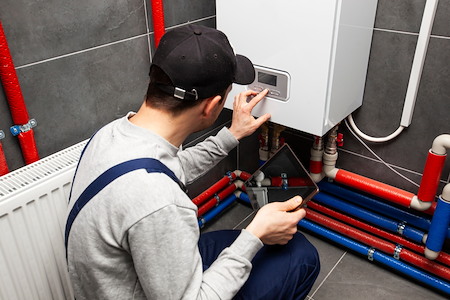
Homeowners often ask whether tankless water heaters can meet the hot water demands of a modern household. With multiple bathrooms, appliances, and family members using hot water at the same time, it is a valid concern. Traditional tank systems store a limited amount of heated water, which means once the tank empties, you have to wait for it to refill and reheat.
That limitation is one of the main reasons many homeowners consider upgrading to tankless water heaters. Instead of storing hot water in a tank, these systems heat water on demand as it flows through the unit. The result is a continuous supply of hot water whenever you need it.
However, whether one system can handle multiple bathrooms depends on several factors. Understanding how these systems work and what affects their performance can help you decide if they are the right choice for your home.
How Tankless Water Heaters Work
Unlike traditional storage tanks, tankless water heaters heat water instantly as it passes through a heat exchanger. When you turn on a hot water tap, cold water enters the unit and is heated either by gas burners or electric elements.
This process eliminates the need to store water in a tank. Instead of running out of hot water, the system continues heating water as long as there is demand. This is why many homeowners see tankless water heaters as a solution for busy households.
While the concept sounds simple, the amount of hot water the system can provide at one time depends on its flow rate. Flow rate refers to how many gallons of hot water the system can produce per minute.
Understanding Flow Rate and Household Demand
The key factor determining whether a tankless water heater can supply multiple bathrooms is gallons per minute (GPM). Every fixture in your home uses a certain amount of hot water.
For example:
A shower typically uses 2.0 to 2.5 gallons per minute
A bathroom sink uses about 1.0 gallon per minute
A washing machine can use 2.0 gallons per minute
A dishwasher may use around 1.5 gallons per minute
If two showers are running at the same time, your home may require roughly 5 gallons of hot water per minute. If someone also starts the dishwasher, demand could increase even more.
Most residential tankless water heaters produce between five and ten gallons per minute, depending on the model and fuel type. When properly sized, many systems can comfortably handle two or three bathrooms operating simultaneously.
Gas vs Electric Tankless Systems
Both gas and electric versions of tankless water heaters are available, but they offer different performance levels. Gas systems generally produce higher flow rates and are better suited for larger homes with multiple bathrooms.
Electric models are often smaller and easier to install, but they may struggle to supply power to several fixtures at once. In many households, electric units work best for smaller homes, apartments, or point-of-use applications.
If your household regularly uses hot water in several areas at once, a gas system may provide better performance. A professional evaluation can determine which type of system will meet your home's hot water demands.
When One Tankless Water Heater Is Enough
For many homes, a single tankless water heater can serve multiple bathrooms without issues. Homes with two or three bathrooms often operate comfortably with one properly sized system.
Factors that determine whether one unit is sufficient include:
- Total number of bathrooms
- Number of people living in the home
- Simultaneous hot water usage
- Local groundwater temperature
Groundwater temperature plays an important role because colder water requires more energy to heat. In regions with colder incoming water, the system must work harder to reach the desired temperature.
A professional assessment from an experienced Upstate South Carolina plumber can help determine the correct size and configuration for your home.
When Multiple Tankless Units May Be Needed
Larger homes sometimes require more than one system to meet hot water demands. Homes with four or more bathrooms or high simultaneous usage may benefit from installing two units.
There are several ways this can be done:
Whole-Home Parallel Systems
Two units can be connected to share the load. When demand increases, both systems activate to supply the required hot water. This setup ensures strong performance during peak usage times.
Another option is installing separate units for different areas of the home. One system may supply bathrooms upstairs while another serves the kitchen and laundry area.
This setup shortens the distance hot water must travel and can improve overall efficiency.
Benefits of Tankless Water Heaters for Larger Homes
Homes with multiple bathrooms often benefit significantly from upgrading to tankless water heaters. These systems provide several advantages that traditional tank systems cannot match.
- Continuous Hot Water
One of the biggest benefits is that tankless water heaters do not run out of hot water. As long as the system is properly sized, showers, sinks, and appliances can continue operating without interruption. - Energy Efficiency
Tank systems constantly reheat stored water, even when you are not using it. On-demand systems only heat water when needed, which can reduce energy consumption over time. - Longer Lifespan
Traditional tank water heaters typically last eight to twelve years. Many tankless water heaters can last twenty years or longer with proper maintenance. - Space Saving Design
These systems are compact and wall-mounted, freeing up valuable space in utility rooms or closets.
Maintenance and Performance Considerations
Even though tankless water heaters offer many benefits, regular maintenance is still important. Mineral buildup from hard water can reduce efficiency and restrict water flow.
Annual flushing and descaling help keep the system operating at peak performance. This service removes mineral deposits and protects the unit's internal components.
Proper maintenance ensures your system continues delivering reliable hot water to every bathroom in your home.
Choosing the Right Tankless System
Selecting the correct system involves more than simply choosing the biggest unit available. Oversizing can increase installation costs, while undersizing can reduce performance during busy periods.
Professionals typically evaluate several factors, including:
- Number of bathrooms
- Simultaneous water usage
- Household size
- Fuel availability
- Plumbing layout
With the right calculations, homeowners can enjoy consistent hot water in every bathroom without sacrificing efficiency.
Final Thoughts
The short answer is yes. With the proper sizing and installation, tankless water heaters can easily supply multiple bathrooms in a home. The key is selecting a system that matches your household's hot water demand and working with professionals who understand how to design the right setup.
Modern systems are powerful, efficient, and capable of supporting busy households that rely on hot water throughout the day.
If you want reliable hot water throughout your home, contact Mathis Plumbing & Heating Co., Inc. today to learn how professionally installed tankless water heaters can support multiple bathrooms in Upstate South Carolina.